
.svg)

.avif)
What is a Forensic Locksmith?

What is a Forensic Locksmith?
A forensic locksmith plays a crucial role in criminal investigations. These specialists examine locks, keys, and security systems to uncover evidence and reconstruct events related to a crime.
Through detailed analysis of lock mechanisms, key impressions, and access systems, forensic locksmiths can identify signs of tampering, forced entry methods, and possible entry points. Their findings often assist law enforcement in cases such as burglaries, theft, and other criminal investigations.
History of Forensic Locksmithing
Origins of Forensic Locksmithing
Forensic locksmithing has its roots in the long history of locks and keys used for security. However, it became formally recognized as a specialized profession in the 20th century.
Early experts studied lock systems and key marks to determine how entry was gained during criminal incidents. These foundational methods shaped modern forensic locksmith investigations used today.
Evolution of Methods and Instruments
Over time, forensic locksmiths have adopted more advanced tools and investigative techniques. The shift from traditional manual inspection to modern analytical technology has improved accuracy and reliability.
This evolution has strengthened the role of forensic lock analysis services within the broader field of forensic science.
Certification and Specialized Training
Professional training and certification are essential for forensic locksmiths. Specialized programs help locksmiths develop expertise in areas such as electronic security systems, automotive locks, and forensic key examination.
At Mr. Locksmith, continuous professional development ensures high standards in all locksmith services. Proper certification demonstrates technical competence and adherence to industry best practices.
Tools and Equipment of Forensic Locksmith
Key Cutting Devices
Key-cutting machines are essential tools in forensic locksmithing. These devices help analyze and replicate key patterns when legally authorized.
Advanced computerized machines support precision key duplication and code cutting, which can assist in investigative comparisons during forensic cases.
Lock Picking Equipment
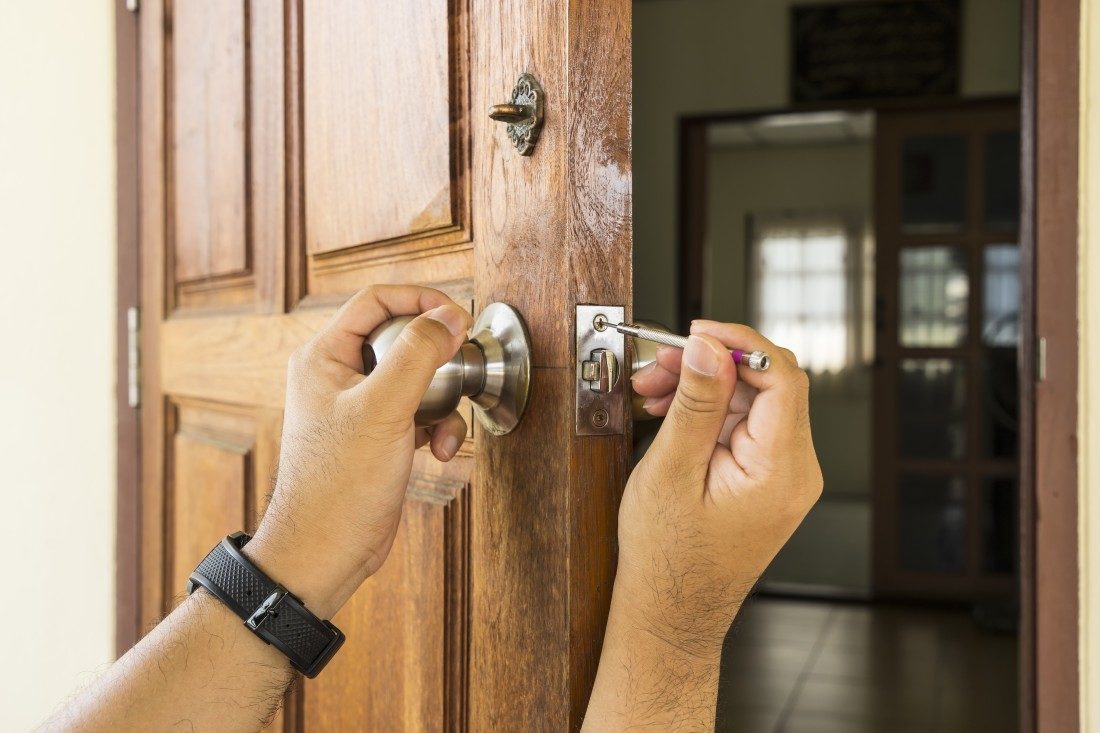
Forensic locksmiths use professional tools to examine and test lock systems without causing unnecessary damage.
These tools allow experts to evaluate lock manipulation techniques and security vulnerabilities, providing insight into how unauthorized access may have occurred.
Kits for Forensic Analysis
Forensic examination kits include magnifying tools, measuring devices, impression materials, and evidence collection containers.
These kits enable detailed inspection of lock cylinders, strike plates, and key impressions, ensuring accurate documentation during investigations.
Challenges Faced by Forensic Locksmiths
Complicated Locking Systems
Modern locking systems often include biometric scanners, smart locks, and electronic keypads. These technologies increase complexity in forensic analysis.
Forensic professionals must stay updated with advancements in digital and smart lock security systems to conduct accurate evaluations.
Legal and Ethical Perspective
Forensic locksmiths must operate within strict legal and ethical boundaries. Their findings may be presented in court, requiring precise documentation and unbiased analysis.
Mr. Locksmith prioritizes compliance with all applicable regulations while maintaining integrity and professionalism in every service.
Always Changing Technology
As security technology evolves, forensic locksmiths must continually adapt. The rise of smart access systems and encrypted locking mechanisms requires ongoing training and updated technical knowledge.
Staying current ensures accurate forensic lock examination services in modern investigative environments.
Conclusion
Forensic locksmithing is a specialized field that plays an important role in criminal investigations. By analyzing locks, keys, and security systems, forensic locksmiths provide valuable insights that help reconstruct events and support law enforcement efforts.
With expertise in advanced security lock systems and forensic analysis techniques, Mr. Locksmith remains committed to maintaining high professional standards while adapting to evolving security technologies. Forensic locksmith services help analyze lock damage after break-ins using our lock repair services in Dubai.

.avif)
Visit Our Shop in International City, Dubai
We operate from our physical location in Russia Cluster, International City, serving customers across Marina, Downtown, JBR, Business Bay and surrounding communities. Whether you prefer to visit us or request mobile assistance, our team is ready to help.
.webp)
.webp)
.webp)
.webp)
.webp)
.webp)
.webp)
.webp)
.webp)
.webp)
Need Help Now or Just Need Answers?
A locksmith service should not feel like a gamble. It should feel like control being restored—calmly, professionally, and without surprises.





.webp)